logo
Produk
Rumah / Produk / Sistem Pengumpulan Darah Vakum /

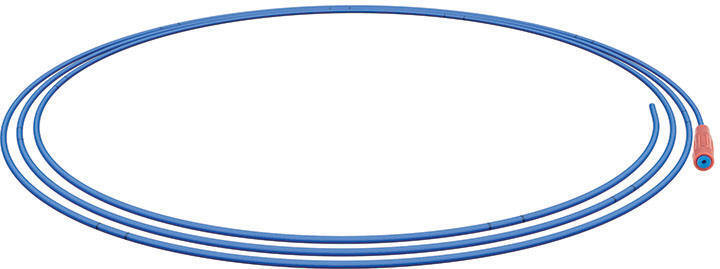
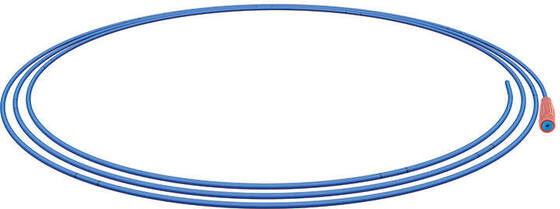
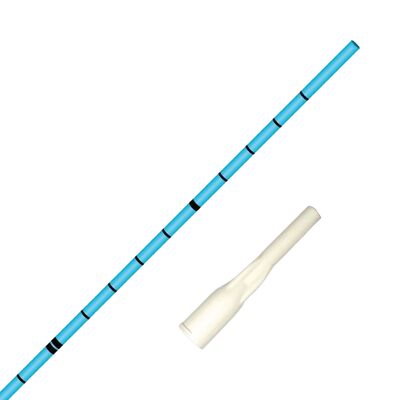
Medical-Grade Ureteral Catheter for Precision Insertion – Soft, Smooth, and Biocompatible

Medical-Grade Ureteral Catheter for Precision Insertion – Soft, Smooth, and Biocompatible

Nama Merek: Aile
Nomor Model: 83.0*49.0*26.0
Jumlah Pesanan Minimum: 5000 unit
harga: dapat dinegosiasikan
Ketentuan Pembayaran: L/C, T/T
Kemampuan Penyediaan: 1.000.000 unit / bulan
Informasi Rinci
Tempat asal:
Cina
Sertifikasi:
ISO/CE
nama:
Kateter Ureter
Jenis Disinfeksi:
EOS
Klasifikasi instrumen:
Kelas II
Nomor model:
4.0/4.7/5.0/6.0/7.0Fr
Umur Simpan:
3 Tahun
Saham:
Ya
OEM/ODM:
Dapat diterima
Bahan:
Poliuretan
Warna:
Biru
Kemasan rincian:
Dikemas secara individual oleh kantong blister / tas PE, 200unit / karton
Menyediakan kemampuan:
1.000.000 unit / bulan
Deskripsi Produk

Medical-Grade Ureteral Catheter for Precision Insertion – Soft, Smooth, and Biocompatible


The Medical-Grade Ureteral Catheter for Precision Insertion is a high-performance device designed for the safe and effective drainage of urine from the kidney through the ureters. This catheter is commonly used in urological procedures, including those involving kidney stones, urinary tract obstructions, or post-operative recovery. Made from medical-grade materials, the catheter ensures comfort, precision, and minimal trauma during insertion, making it an essential tool for healthcare professionals in various clinical settings.

 
Designed with a soft, smooth, and biocompatible structure, this ureteral catheter minimizes the risk of irritation or injury to the urinary tract while providing optimal functionality. Its advanced design ensures easy insertion and secure placement, allowing for precise monitoring and drainage of the urinary system.
 
Key Features and Benefits
  • Precision Insertion: The catheter is engineered for smooth and easy insertion, reducing the risk of injury or trauma to the ureters during placement. This precision minimizes discomfort and enhances patient safety during medical procedures.
  • Soft and Smooth Design: Crafted from soft medical-grade materials, the catheter's smooth surface reduces friction, ensuring a comfortable and less invasive experience for the patient. This makes it ideal for both short-term and long-term use.
  • Biocompatible Material: The ureteral catheter is made from biocompatible materials, ensuring it is safe for the human body and minimizes the risk of allergic reactions or adverse responses. This is especially important for patients who require prolonged catheterization.
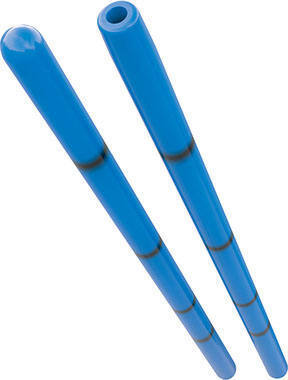
  • Radiopaque Tip: Equipped with a radiopaque tip, this catheter is visible on X-rays, allowing healthcare professionals to accurately place the catheter and monitor its position during procedures, providing enhanced accuracy during insertion.
  • Flexible and Durable: The catheter’s flexibility allows it to conform to the natural curves of the ureters, ensuring ease of insertion and reduced risk of kinking or damage. Its durable construction ensures it remains secure and reliable throughout its use.
  • Sterile and Single-Use: The catheter is individually packaged in a sterile environment, ensuring that it is free from contamination and safe for patient use. It is designed for single use, promoting infection control and preventing cross-contamination.
  • Secure and Comfortable Fit: The catheter is available in various sizes to accommodate different patient needs. Its design ensures a secure fit, preventing displacement and ensuring effective urine drainage throughout its use.

Medical-Grade Ureteral Catheter for Precision Insertion – Soft, Smooth, and Biocompatible 0

Common Use Cases and Applications


The Medical-Grade Ureteral Catheter is commonly used in a variety of urological and medical procedures, offering effective urine drainage and safe access to the urinary system. Some of the most common applications include:

  1. Kidney Stone Treatment: For patients undergoing procedures to remove or treat kidney stones, the ureteral catheter is essential for keeping the ureter open and allowing for continuous urine drainage. It is often used in combination with other treatments like lithotripsy.

  2. Post-Operative Recovery: After surgery, particularly urological or renal surgeries, the catheter is used to maintain urine drainage, preventing fluid build-up and ensuring that the kidneys function properly during the recovery phase.

  3. Urinary Tract Obstruction: In cases of urinary tract obstructions, such as tumors or strictures, the catheter allows for the continuous flow of urine, preventing kidney damage and relieving pressure on the urinary system.

  4. Urological Procedures: During procedures like cystoscopy, ureteroscopy, or other endoscopic procedures, ureteral catheters provide a reliable way to manage urine flow and maintain proper hydration levels for patients undergoing treatment.

  5. Prolonged Urinary Catheterization: In certain medical conditions requiring long-term catheterization, such as in patients with chronic urinary retention or spinal cord injuries, the ureteral catheter ensures a safe, hygienic, and effective method for managing urine drainage.

Who Can Benefit from the Ureteral Catheter?

  • Patients with Urinary Tract Obstructions: Individuals suffering from kidney stones, tumors, or other blockages that affect urine flow can benefit from the ureteral catheter's ability to bypass the obstruction and prevent damage to the kidneys.

  • Post-Surgical Patients: Those who have undergone urological or kidney surgeries often require catheterization to aid recovery and ensure that their urinary system is functioning properly after the procedure.

  • Chronic Kidney Disease or Renal Failure Patients: For patients with chronic kidney disease or renal failure, long-term catheterization may be necessary to manage urine flow and prevent complications.

  • Emergency and Trauma Patients: In emergency situations where the urinary system is compromised, such as in cases of severe trauma or burns, the ureteral catheter ensures that the kidneys continue to function properly.

  • Healthcare Providers: Urologists, surgeons, and nurses rely on this catheter to ensure accurate placement and secure urine drainage during urological and renal procedures.

​Specifications


Feature Specification
Material Medical-grade silicone or polyurethane, biocompatible
Catheter Type Ureteral catheter, flexible and smooth
Tip Design Radiopaque tip for X-ray visibility
Drainage Capacity Designed for continuous urine drainage
Sterilization Gamma-sterilized for single-use only
Packaging Individually sterile-packed
Certification CE Certified, FDA Approved
Color Transparent or clear for easy monitoring


Material Differences and Advantages
 
The Medical-Grade Ureteral Catheter is typically made from silicone or polyurethane, both of which are biocompatible, durable, and flexible materials ideal for medical devices that require direct contact with the human body. Silicone is particularly valued for its softness, smoothness, and resistance to irritation, making it ideal for prolonged use. It also has a lower chance of causing allergic reactions compared to other materials, such as latex.
 
Polyurethane, on the other hand, is known for its strength and ability to maintain structural integrity under varying pressure and fluid conditions. It is more rigid than silicone but still offers enough flexibility for secure placement and removal.
 
Both materials are radiopaque, meaning that the catheter's tip is visible on X-ray images, allowing healthcare professionals to monitor the catheter’s placement with accuracy during procedures.
 
Conclusion
 
The Medical-Grade Ureteral Catheter for Precision Insertion offers a highly reliable and comfortable solution for managing urine drainage in a variety of urological and renal procedures. Its soft, smooth, and biocompatible design ensures a secure fit and minimizes patient discomfort, while its durable and radiopaque materials ensure safe and effective monitoring. Whether for short-term or long-term use, this catheter is an essential tool for healthcare professionals and a critical component of patient care in the management of urinary tract obstructions, kidney stones, and post-operative recovery.
 
FAQ
 
1. How long can the ureteral catheter be left in place?
The catheter can be left in place for varying periods depending on the patient's condition, typically ranging from a few days to several weeks. Always follow the guidance of your healthcare provider.
 
2. Is the catheter suitable for both men and women?
Yes, the catheter is designed for both male and female patients, and its flexible design ensures it can be used in a variety of anatomical settings.
 
3. Can the catheter cause any complications?
As with any medical device, there is a small risk of complications such as infection, displacement, or injury. However, the use of sterile, single-use catheters greatly reduces the risk of infection.
 
4. Is the ureteral catheter reusable?
No, this is a disposable catheter designed for single use only. This ensures a high level of hygiene and safety, reducing the risk of infection.
 
5. How do I ensure proper catheter placement?
The catheter’s radiopaque tip allows for precise placement under X-ray guidance, ensuring that the catheter is correctly positioned for optimal drainage.